Volusia County · Coastal
Daytona Beach Shores Waterfront Homes
A compact oceanfront city on the barrier island, known for condo living, the wide drivable "World's Most Famous Beach," and Halifax River access just south of Daytona Beach.
Daytona Beach Shores is a compact oceanfront city on the barrier island just south of Daytona Beach. It's known for condo living, a wide drivable beach, and Halifax River access on the island's west side — a more residential, orderly counterpoint to the busier Daytona core, while keeping all of its amenities within easy reach. For buyers who want classic Florida oceanfront in a low-maintenance package, it's one of the most straightforward places on this coast to find it.
A condo city on a famous beach
The defining facts of Daytona Beach Shores are its beach and its skyline. The beach here is part of the "World's Most Famous Beach" — wide, hard-packed, and, in designated areas, drivable, a tradition that goes back to the earliest days of automobile racing on the sand. The skyline is a corridor of oceanfront condominium towers, mid- and high-rise, that line the shore and give the city its lock-and-leave character. It's a place built for easy beach living: park once, take the elevator down, and you're on the sand.
Despite the density along the water, the city is quieter and more residential than Daytona Beach proper, with its own government and a settled, year-round-plus-seasonal community.
What waterfront living feels like here
Life revolves around the beach and the building. For many residents — seasonal snowbirds, retirees, and second-home owners — the appeal is simplicity: a condo with amenities, the ocean below, and the dining, shopping, and events of Daytona a short drive north. The wide beach invites long walks and drives; the Halifax River, a few blocks west, adds boating for those who want it. The overall feel is relaxed and convenient rather than sleepy or remote.
Two waterfronts: ocean and river
The barrier island gives Daytona Beach Shores two waters. Oceanfront living — overwhelmingly condos — puts the surf and sand at your door with the easiest possible access, along with the most weather and salt exposure. Riverfront properties on the Halifax River (the Intracoastal here) on the west side of the island offer protected boating, docks, and sunset views. Boaters often favor the river side; beach lovers and lock-and-leave buyers, the oceanfront.
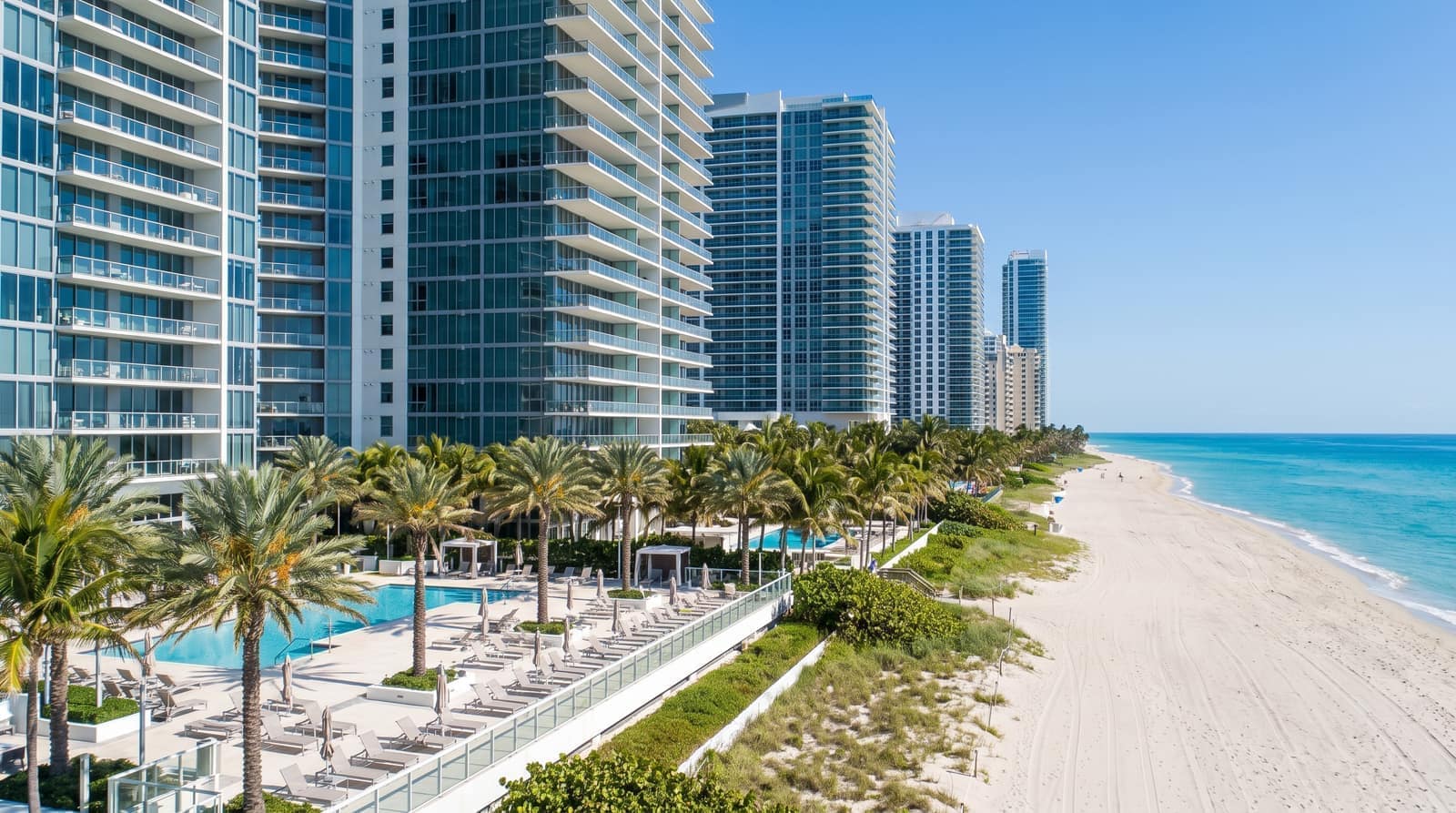 Oceanfront condo towers define the skyline here — lock-and-leave living with the beach below, and an association to vet carefully.
Neighborhoods and where the homes are
For a small city, the housing is fairly clear-cut.
The oceanfront is a corridor of condominium buildings, from older mid-rises to newer towers, with a range of sizes, amenities, and price points. Behind and between them are pockets of beachside single-family homes on the narrow island. On the Halifax River side, riverfront homes offer docks and Intracoastal access. Because the island is narrow, many properties are within a short walk of both waters.
Property types and what to expect
Expect oceanfront condos first and foremost, along with beachside homes and riverfront homes with docks. The condo dominance shapes the market: it keeps things relatively accessible and maintenance-light, but it makes each association's finances and rules central to a smart purchase. Oceanfront carries the premium; river-side and interior options offer the lifestyle for less.
This guide isn't a brokerage, and prices change constantly, so we won't quote figures. Use the listing links at the bottom of the page for current asking prices, and confirm anything specific with the listing agent or a licensed local professional.
The beach, the pier, and Daytona next door
The local scene centers on the sand. A landmark ocean fishing pier, with a restaurant at its end, is a community fixture, and beachside parks provide access and gathering spots up and down the shore. Just north, Daytona Beach brings its full slate of amenities — the Boardwalk, dining, shopping, and the world-famous Daytona International Speedway, whose race weekends are a regional event. Living in the Shores means having all of that close while coming home to a quieter, more residential stretch of coast.
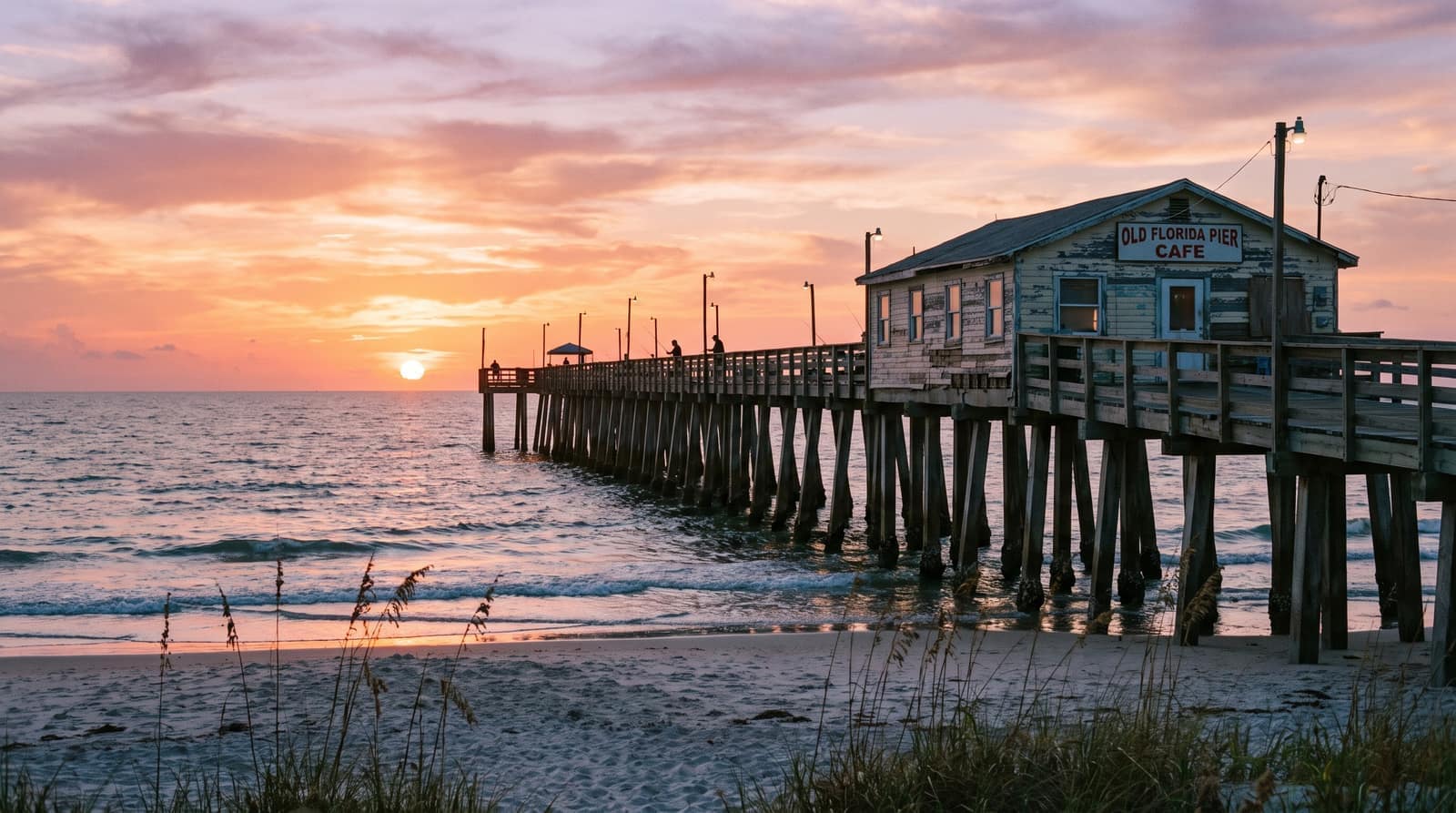 A landmark fishing pier and the wide, drivable beach anchor the local scene.
Who lives here, and the lock-and-leave appeal
Daytona Beach Shores draws a distinct kind of buyer. A large share are seasonal residents and snowbirds — Northerners and Canadians who winter in an oceanfront condo and head home for the summer — alongside retirees who have made the beach a permanent base and second-home owners who use the coast a few weeks or months a year. The common thread is the appeal of low-maintenance ownership: a condo in a building that handles the landscaping, the pool, the exterior, and the security means you can lock the door and leave for weeks without worry. That convenience is the city's core value proposition, and it shapes the community into a friendly, transient-but-returning mix where neighbors reconnect each season. For a full-time buyer, it's worth knowing that some buildings empty out noticeably in summer; for a seasonal buyer, that same rhythm is exactly the point. Either way, the city's residential, orderly character — distinct from the busier Daytona Beach core — is a large part of what people are paying for.
History: racing, sand, and the rise of the condo coast
The wide, hard-packed sand that defines Daytona Beach Shores is also the reason the whole region exists as it does. In the early 1900s, that firm beach drew automobile pioneers who set land-speed records on the sand, earning the area its "Birthplace of Speed" heritage (shared with neighboring Ormond Beach). Beach racing continued for decades before moving inland to the Daytona International Speedway in 1959 — but the culture of cars on the sand never fully left, and Volusia's drivable beach remains a living link to that history. Daytona Beach Shores itself incorporated in 1960 as a separate city, and from the 1970s onward it grew into the condo-lined oceanfront corridor it is today, as buyers sought easy, lock-and-leave access to that famous beach. Understanding this history helps explain the city's character: it's a place built squarely around its beach, with a skyline that reflects decades of demand for a simple proposition — a home, with amenities, directly above the sand.
Dining, the pier, and things to do
Life in the Shores centers on the water and the beach, with a steady supply of casual waterfront dining. The landmark ocean fishing pier, with its restaurant at the end, is the city's signature gathering spot — a place to fish, eat, and watch the surf. Beachside parks like Frank Rendon Park provide access, shade, and gathering space along the shore, and the wide beach itself is the main amenity, equally suited to a morning walk, a swim, or a slow drive on the sand. For more, Daytona Beach is minutes north: the historic Boardwalk and Pier, the Main Street district, shopping, and a full slate of restaurants. Golfers have courses nearby, boaters have the Halifax River and its access to the Intracoastal, and motorsports fans have one of the most famous tracks in the world a short drive inland. It adds up to an easy, amenity-rich coastal life without the density of the main Daytona core.
A note on the beach and access
The drivable beach is central to the Shores' identity, and it's worth understanding how it actually works. In designated areas and seasons, Volusia County permits vehicles on the hard-packed sand for a daily or annual fee, with conservation-driven closures during sea-turtle nesting season and in environmentally sensitive zones. There are also traffic-free zones where cars are excluded, which many beachfront residents specifically seek out for a quieter, safer stretch of sand in front of their building. Rules, fees, hours, and the boundaries of driving versus traffic-free areas change over time, so confirm the current regulations for any specific stretch you're considering. Beyond driving, public access points, lifeguarded areas, and beachside parks are spaced along the shore, so even residents a block or two from the water have easy ways onto the sand. For a buyer, the takeaway is simple: not all oceanfront here is the same, and whether the beach in front of a building allows cars or is a traffic-free zone can meaningfully change the day-to-day experience.
The rhythm of the year
The Shores has a pronounced seasonal pulse worth knowing before you buy. Winter is the snowbird season — cooler, drier, and busiest for the condo market, when seasonal residents fill the towers and the beaches are comfortable rather than scorching. The wider Daytona area also marks the calendar with major events that bring crowds and energy to the region: the Daytona 500 and Speedweeks in February, Bike Week in early spring, and Biketoberfest in the fall, along with spring-break season. Summer turns hot and humid with afternoon storms, and hurricane season from June through November is the period every coastal buyer should plan around — it shapes insurance, building requirements, and the occasional need to prepare. The Shores stays quieter and more residential than Daytona proper through all of it, but its proximity to those big events is part of the package.
Getting there and day-to-day
Daytona Beach Shores is roughly an hour and a quarter to an hour and a half from Orlando via I-4, with Daytona Beach International Airport just inland. Everyday needs are covered locally and in the surrounding Daytona area, making it practical for full-time living as well as seasonal use.
Buying a coastal home here: what to check
Given the condo focus, a few steps are essential:
- Condo association health. Scrutinize reserves, reserve studies, recent and pending special assessments, and any required structural inspections — Florida's condo-safety rules have made this more important than ever. For an oceanfront tower, this is the heart of due diligence.
- Ocean exposure and elevation. Confirm elevation, building condition, and storm history for any oceanfront property.
- Wind and flood insurance. Get real quotes early; coverage is significant and varies by building and location.
- River access. For riverfront homes, confirm dock permits, depth, and the route along the Intracoastal. Our waterfront maintenance guide covers the upkeep salt air and water add.
Insurance, storms, and maintenance
Plan for barrier-island realities: wind and flood insurance, salt-air maintenance, and a clear view of hurricane and surge exposure. For condo buyers, much of the structural maintenance and many of the big costs run through the association, so its financial health is as important as the unit itself. Budget for both from the start.
Who Daytona Beach Shores suits
Daytona Beach Shores rewards buyers who want classic, easy oceanfront living — especially in a low-maintenance condo — with a famous beach below and Daytona's amenities close by. It's a strong fit for snowbirds, retirees, and second-home owners, and for boaters willing to look to the river side. The key to buying well here is choosing the right building as much as the right unit.
As always, the details that matter most — exact frontage, elevation, association health, insurance costs, condition, price, and availability — are specific to each home and change quickly. Use the links below to see what's currently on the market, and verify everything with the listing agent, broker, or another licensed professional before you rely on it.
Browse Daytona Beach Shores listings
Search current waterfront homes on these third-party sites:
Links go to external sites. Lakeshore & Coast is not a brokerage — confirm all details with the listing agent or broker.
Daytona Beach Shores: common questions
Is Daytona Beach Shores mostly condos?
Oceanfront condos are a large part of the market, given the narrow barrier-island setting, though you'll also find beachside homes and riverfront properties with docks on the Halifax River side. The condo focus makes association finances especially important.
How does it compare to Daytona Beach proper?
Daytona Beach Shores is a separate, more residential oceanfront city just to the south, generally quieter and more orderly than the main Daytona Beach core, while keeping its dining, shopping, and the Speedway close by.
Can you really drive on the beach here?
In designated areas and seasons, yes — Volusia County's hard-packed sand allows permitted beach driving, part of the "World's Most Famous Beach" tradition. Rules, fees, and conservation closures apply, so check current regulations.
Is it a good lock-and-leave option?
Very much so. The prevalence of oceanfront condos with building amenities makes Daytona Beach Shores popular with seasonal residents and second-home owners who want the beach without yard upkeep.
Important. Lakeshore & Coast is an independent editorial and curation website. We are not a licensed real estate brokerage, we do not represent buyers or sellers, and we do not provide MLS or IDX access. Property information may come from public sources, partner submissions, embedded widgets, videos, or outbound listing links and may be incomplete or out of date. Always verify price, availability, property details, HOA rules, waterfront access, insurance requirements, and legal matters with the listing broker, agent, seller, public records, or another qualified professional. Some links may be sponsored or earn a referral fee.